Product details
General Definition and Description
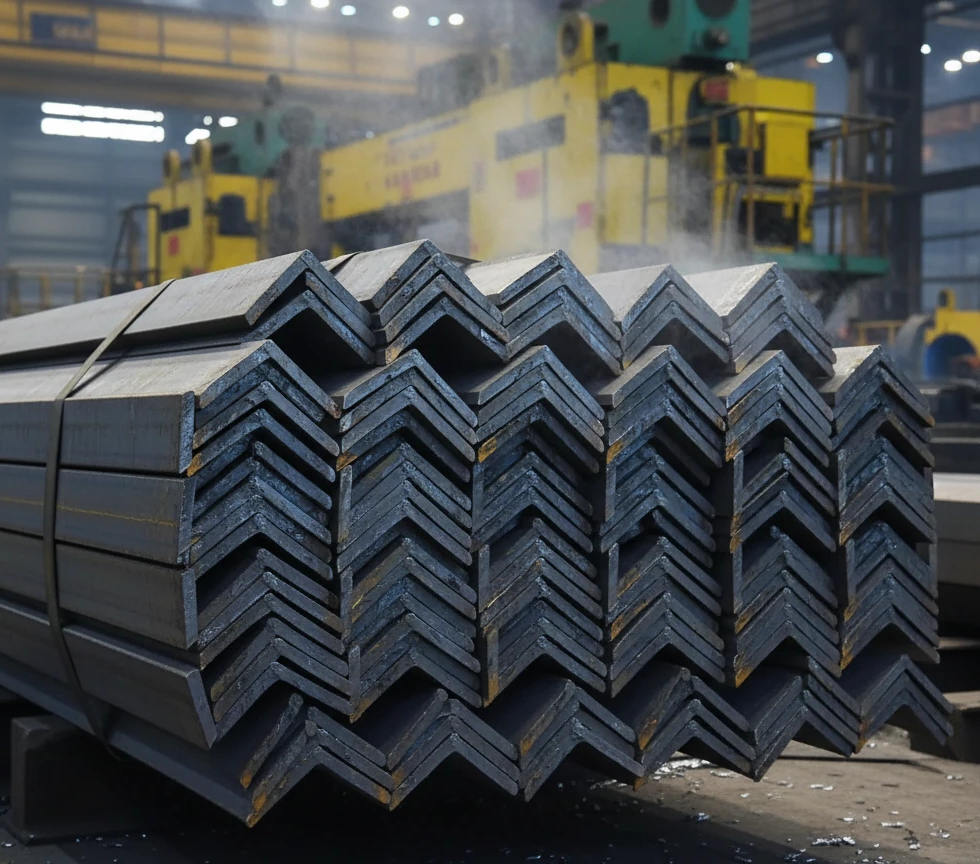
Angle Iron : An L-shaped steel profile used for support and reinforcement in structures.
Channel Iron : A U or C-shaped profile suitable for beams, columns, and frames.
Corner Profile : Appears to refer to corner profiles for edge protection, such as stainless steel profiles for facades.
These profiles are widely used in construction and industry and are produced through various methods, details of which will be discussed below.
Applications and Specifications
Angle Iron: Used in constructing trusses, shelves, and power transmission lines.
Channel Iron: Suitable for supporting roofs, machinery, and vehicle chassis.
Corner Profile: Used for protecting corners in walls and facades. Their dimensions and strength vary depending on the production method (hot-rolled or cold-formed/pressed), which is detailed further in the report section.
Detailed Definitions
Angle Iron: A steel profile with an L-shape (like the English letter L), consisting of two legs. It is widely used in construction and industry for support. This profile can have equal (symmetrical) or unequal (asymmetrical) legs.
Channel Iron: A steel profile with a U or C shape (like the English letters U or C), used to support beams, columns, frames, and other structural components. Channels can have parallel or tapered flanges.
Corner Profile (Shield and Stud, Corner): This term is less common, but based on research, it seems to refer to steel profiles used for protecting corners (Corner Profiles). These profiles are usually made from stainless steel or oiled steel and are used to protect edges and corners in walls, facades, and floors.
Types and Production Methods
Angle Iron and Channel Iron
Types based on Production Method:
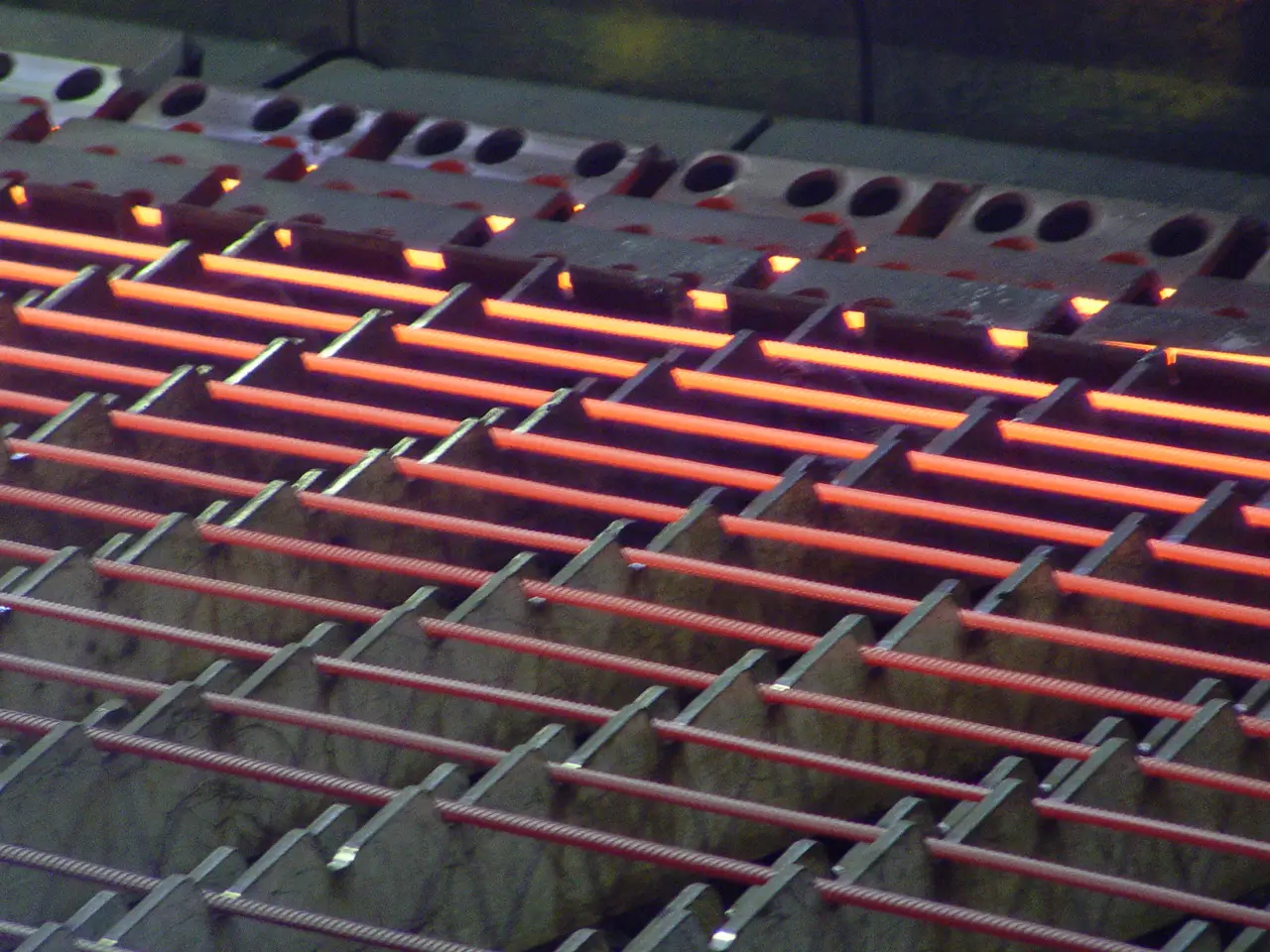
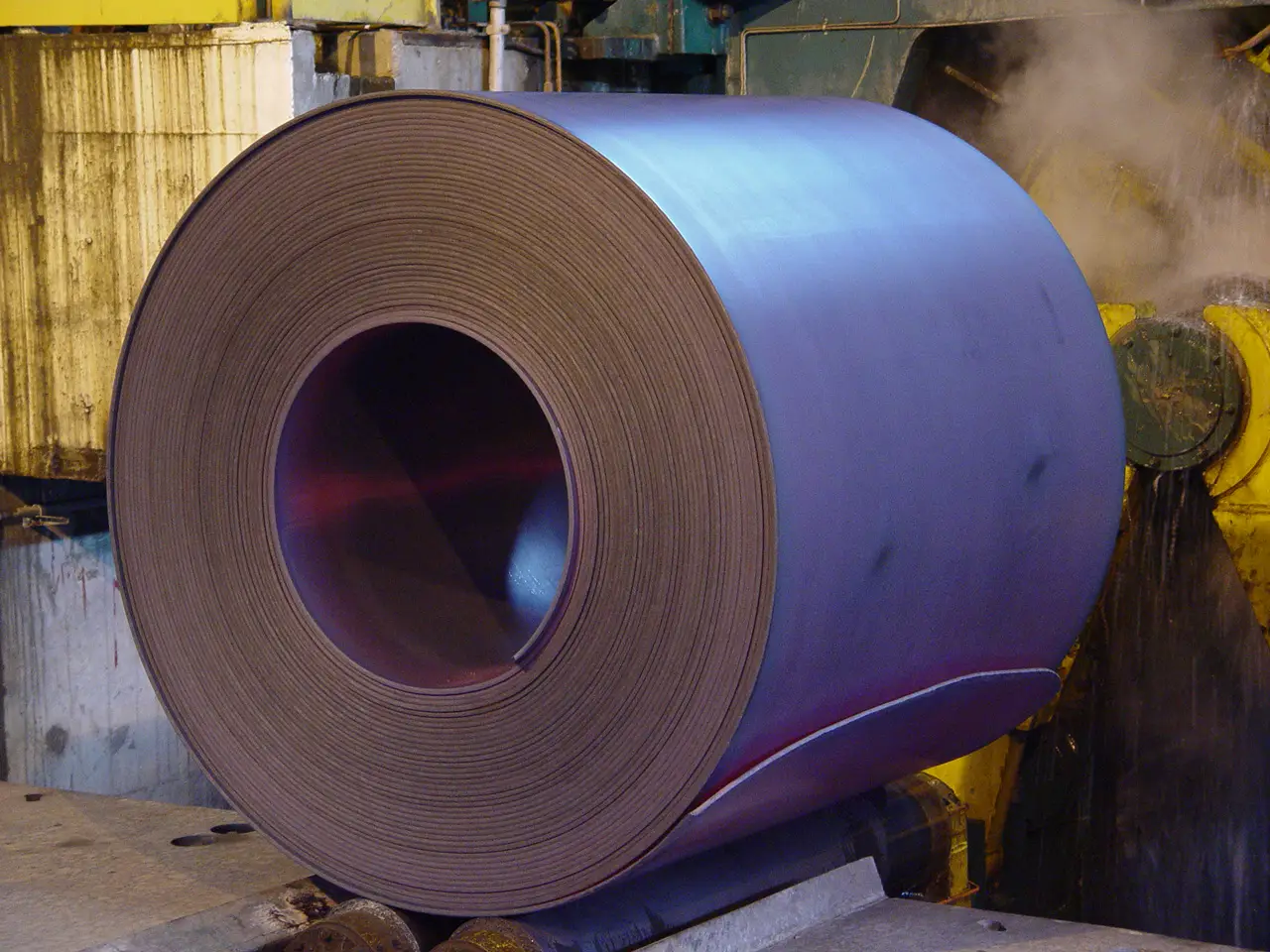
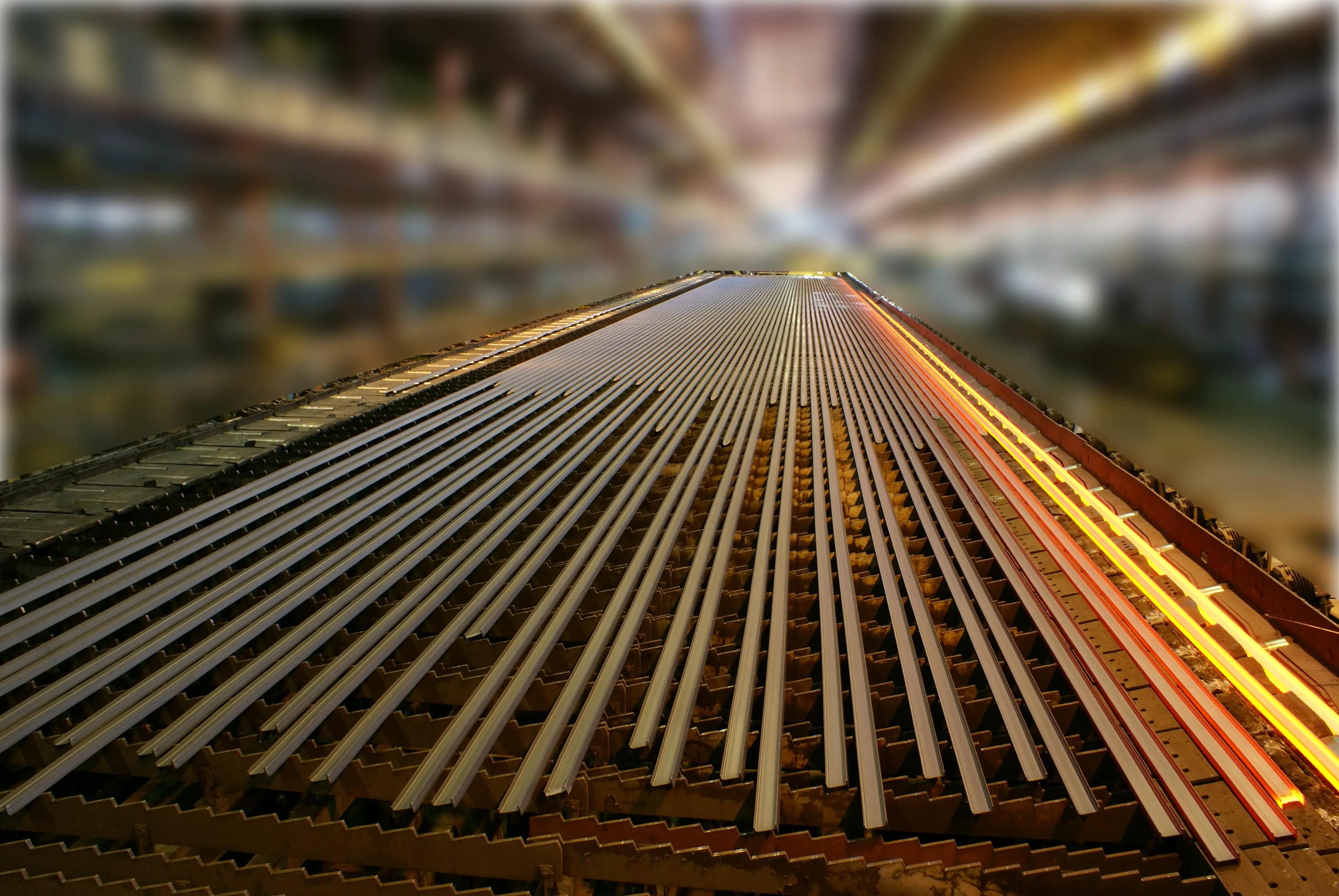
Hot-Rolled : Produced by hot rolling steel billets. In this method, steel is rolled at high temperatures (above recrystallization temperature) into its final shape. The quality and price of this type are higher, making it suitable for heavy-duty applications.
Cold-Formed/Pressed : Produced from steel sheets using pressing and forming machines at room temperature. This method involves bending or pressing sheets to create the desired shape and is typically used for lighter and cheaper profiles.
Key Differences:
Hot-rolled angle and channel irons have higher strength and better mechanical resistance, but their price is higher.
Cold-formed/pressed angle and channel irons are lighter and suitable for low-weight applications but may be less resistant to heavy loads.
Production Process Details:
Hot-Rolling: Involves selecting raw materials (steel billets), heating in a furnace, rolling in rolling mills to form the L or U shape, cooling (air or water), straightening, and cutting to specified lengths. They may then be coated with finishes like galvanizing or paint for corrosion resistance.
Cold-Forming: Involves cutting steel sheets to specific sizes, bending using CNC presses to create the L or U shape, and then applying protective coatings like galvanizing or paint. This method allows for the production of profiles with precise dimensions and complex geometries.
Corner Profiles (سپری)
Types:
Stainless Steel Corner Profiles: For exterior environments and resistance to rust.
Oiled Steel Corner Profiles: For interior and exterior applications at a lower cost.
Production Method: Usually produced by cold-forming (pressing) from steel sheets, which involves bending the sheets to create a protective shape for corners.
Applications
Angle Iron:
In construction: For making beams, columns, trusses, and supporting structures.
In industry: For building racks, launchers, and industrial equipment.
In building power transmission lines: As support for transmission towers.
In facades: For creating patterns and decorative designs.
Channel Iron:
In construction: For supporting beams, columns, frames, and roofs.
In industry: For building machinery, frames, and guards.
In transportation: For manufacturing chassis and frames for cars and vehicles.
In building transmission lines: As support for heavy structures.
Corner Profiles:
In construction: For protecting corners in walls, facades, and floors, especially during tile installation or decorative coverings.
In facades: To prevent damage to edges during installation and use.
In industry: For protecting edges on equipment and machinery, especially in high-traffic areas.
Technical Specifications
To provide precise information, the following table shows the technical specifications for angle iron, channel iron, and corner profiles:
Profile Type | Dimensions (Max) | Thickness (Max) | Tensile Strength (Min) | Production Method |
| Hot-Rolled Angle Iron | 250mm × 250mm | 15mm | 250 MPa (A36 Steel) | Hot Rolling |
| Cold-Formed Angle Iron | Depends on need, ~300mm | 5mm | 350 MPa (HSLA) | Cold Forming |
| Hot-Rolled Channel Iron | 400mm × 100mm | 15mm | 250 MPa (A36 Steel) | Hot Rolling |
| Cold-Formed Channel Iron | Depends on need, ~600mm | 5mm | 350 MPa (HSLA) | Cold Forming |
| Corner Profile | 50mm × 50mm | 3mm | 355 MPa (Stainless Steel) | Cold Forming |
Additional Notes:
Angle irons can have equal or unequal legs.
Channel irons can have parallel or tapered flanges.
Corner profiles are usually covered with protective coatings like galvanizing or paint to increase their lifespan.
Important Notes and Comparison
Hot-Rolled Angle and Channel Iron: This type is suitable for heavy-duty applications such as large buildings and bridges because they offer higher strength and quality. Their price is higher, but they are necessary for heavy loads.
Cold-Formed/Pressed Angle and Channel Iron: This type is suitable for light applications like shelves, partitions, and interior structures. They are cheaper and allow for production with precise dimensions.
Corner Profile: As an auxiliary component, it plays a protective role and is commonly used in decorative and construction projects.