Product details
Introduction
A steel pipe is a hollow, round section made from various grades of steel. These pipes are manufactured in two main types: welded and seamless. Steel pipes are recognized as the most widely used type of pipe and are utilized in diverse industries, particularly in the oil, gas, and petrochemical sectors for transporting various materials. The prominent features of steel pipes include high resistance to pressure, strength against corrosion and rust, and their safety. Like other steel products, steel pipes come in a wide variety and are used in numerous industries based on their unique characteristics. This report aims to provide a complete and comprehensive study on steel pipes. This research will examine the production process of welded and seamless steel pipes, different types of industrial, seamless, scaffolding, and furniture steel pipes along with their applications and features, other types of steel pipes available in the market and their uses in industry and construction, national and international standards related to the production and use of steel pipes, advantages and disadvantages of using steel pipes compared to other materials, applications of steel pipes in industries other than oil, gas, and petrochemicals, various methods of testing and inspecting the quality of steel pipes, and the latest innovations and technologies used in the production of these products.
Production Process of Steel Pipes
The production process of steel pipes involves several distinct stages, which include the preparation of raw materials, pipe forming, and final finishing of the pipe.
Preparation of Raw Materials
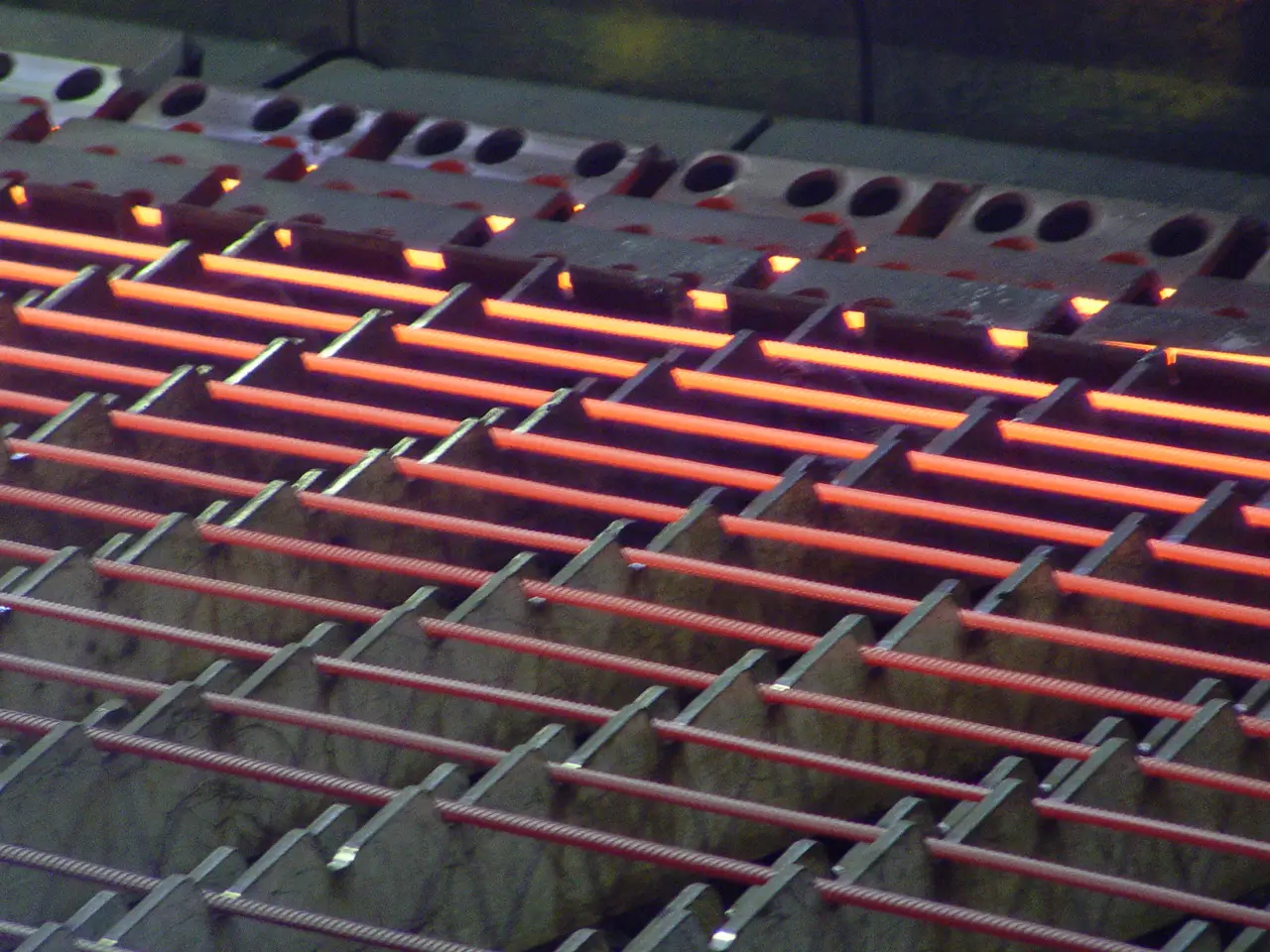
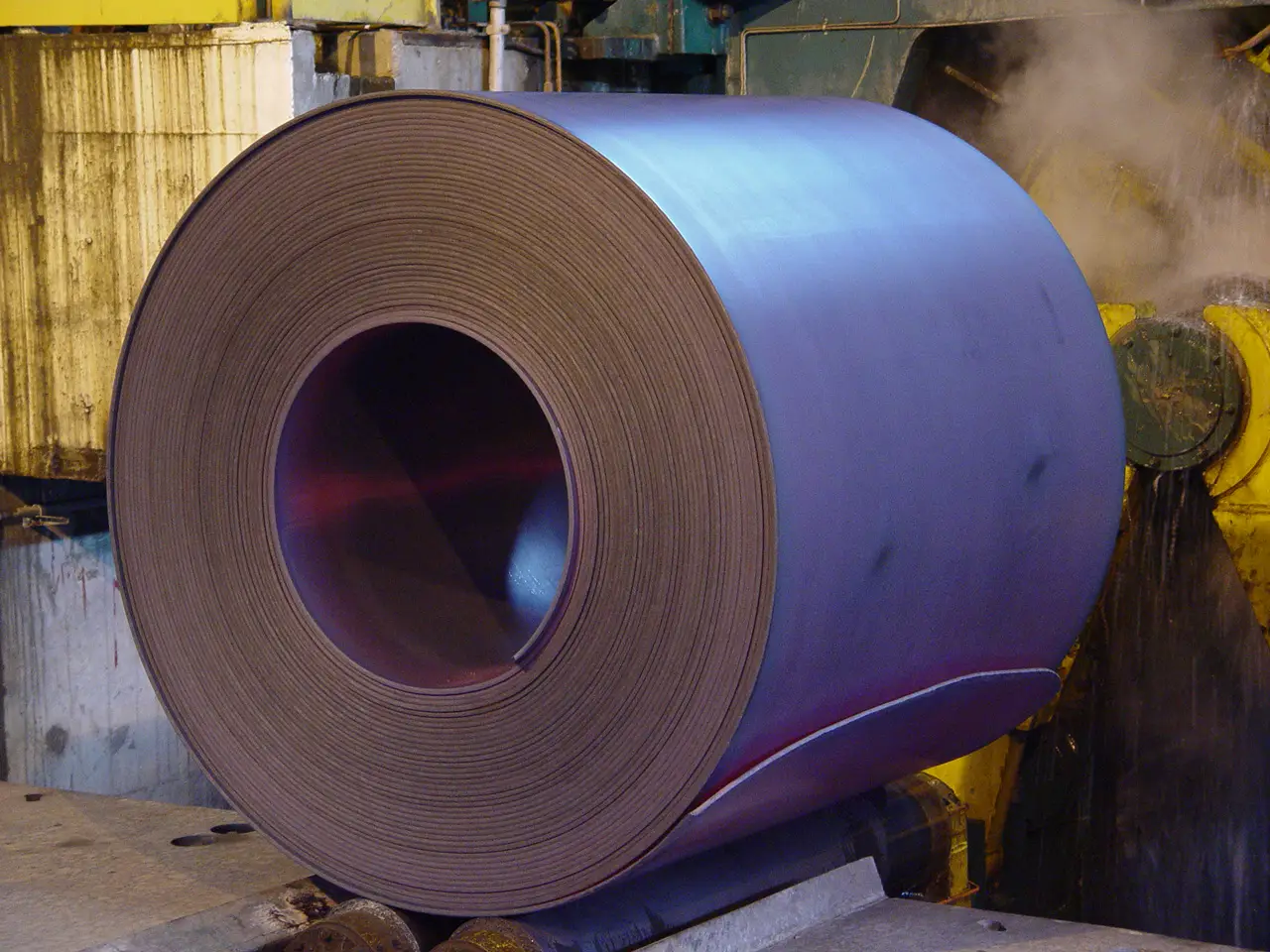
The production process of steel pipes begins with the extraction of iron ore from mines. This crucial stage involves several processes such as crushing and grinding to obtain iron ore concentrate suitable for the subsequent steelmaking stages. Then, the iron ore concentrate is processed in blast furnaces or electric arc furnaces and converted into molten iron. This molten iron is finally cast into steel ingots or coils, which are used as raw materials for the production of steel pipes.
Production Process of Seamless Steel Pipes
Seamless pipes, as their name suggests, are produced without any weld joints. These types of pipes are typically manufactured from a solid steel billet and are used in applications where high pressure resistance is required. The production process of seamless pipes involves three main stages:
Perforation: In this stage, a solid steel billet is heated and converted into a hollow tube through a perforation process. This process requires precise control of temperature and pressure to ensure that a uniform cavity is created in the center of the billet.
Elongation: The resulting hollow tube is then subjected to an elongation process, in which its diameter and wall thickness are reduced. This stage can involve various methods such as using mandrel mill machines or the plug mill process. The mandrel mill process continuously reduces the wall thickness using a series of curved rollers positioned at a 90-degree angle to each other. In contrast, the plug mill process is used to produce seamless pipes with larger dimensions, typically 6 to 16 inches in diameter.
Finishing: Finally, finishing processes such as sizing, straightening, and heat treatment are performed on the pipe to achieve the desired dimensions and mechanical properties. Heat treatment plays a very important role in improving the mechanical properties of seamless pipes such as strength and toughness. For example, the hot rolling process in the production of seamless pipes can eliminate the casting structure of the ingot and refine the steel grains, thereby improving the mechanical properties.
In addition to these main methods, there are other advanced methods for producing seamless pipes, including the continuous mandrel rolling process and the push bench process for approximate sizes of 21 to 178 mm outer diameter, the multi-stand plug mill process with a controlled floating mandrel bar and the plug mill process for approximate sizes of 140 to 406 mm outer diameter, and the cross roll piercing and pilger rolling process for approximate sizes of 250 to 660 mm outer diameter. Also, the hot extrusion and hot hollow forging processes are used to produce seamless pipes. The choice of seamless production method depends on the desired dimensions, required mechanical properties, and economic considerations.
Production Process of Welded Steel Pipes
Welded steel pipes are produced from steel sheets or coils that are first formed into a cylindrical shape, and then their edges are joined together using various welding techniques. The production process of this type of pipe involves the following stages:
Steel sheet or coil is formed into the desired shape using bending or forming machinery.
The edges of these sections are then joined together using various welding techniques. Some of the most common welding methods used in the production of welded steel pipes include:
Electric Resistance Welding (ERW): In this process, electric current is used to heat the edges of the steel sheet or coil, and then pressure is applied to join the edges together, forming a weld seam. The ERW process was initially used with low-frequency AC current from the 1920s to the 1970s. However, since 1970, the high-frequency ERW process has replaced it, producing higher quality welds. ERW pipes are typically used for low to medium pressure applications such as water, oil, and gas transmission.
Submerged Arc Welding (SAW): In this method, welding is performed under a layer of granular flux, which creates a protective atmosphere around the weld area. This helps prevent atmospheric contamination and ensures high weld quality. SAW welding is suitable for producing large diameter and high wall thickness pipes and can be performed in two ways: longitudinal (LSAW) and spiral (SSAW).
Longitudinal Submerged Arc Welding (LSAW): In this process, welding is performed along the length of the pipe. LSAW pipes are often used for large diameter oil and gas transmission pipelines and can be produced using JCOE or UOE technologies, which involve forming the steel sheet into a "J", "C", "O", or "U" shape and then welding.
Spiral Submerged Arc Welding (SSAW): In this method, welding is performed spirally along the length of the pipe. SSAW allows the production of large diameter pipes from narrower sheets and is often used for non-critical applications such as water distribution and also as piles in combination walls and dredging pipes.
After welding, welded pipes also undergo finishing processes such as sizing, straightening, and heat treatment to ensure dimensional accuracy and optimize their mechanical properties. Post-weld heat treatment can help reduce internal stresses caused by the welding process and improve weld properties.
Key Differences Between Seamless and Welded Steel Pipes
Seamless and welded steel pipes differ fundamentally in their production process and consequently in some of their properties and applications :
Presence of Weld Seam: The most important difference between these two types of pipes is the presence or absence of a weld seam. Seamless pipes lack any weld seam, while welded pipes have one or more weld seams.
Pressure Resistance: Seamless pipes usually have higher pressure resistance and are therefore more suitable for applications that require withstanding very high pressures. On average, seamless pipes can withstand about 20 percent more pressure than ordinary welded pipes.
Cost and Dimensions: Welded pipes usually have a lower production cost because they are made from metal sheets, the production of which is relatively more economical. In addition, welded pipes can be easily produced in larger dimensions, and there is no limit to their size, while the production of seamless pipes with very large diameters can be challenging.
Corrosion and Cracking: The weld seam in welded pipes can be a potential weak point in terms of corrosion and cracking, especially if the welding process is not performed correctly. Seamless pipes, due to the absence of a seam, have a more uniform structure and are more resistant to intergranular corrosion.
Structure: Seamless pipes are produced through an extrusion process from a single steel billet, which results in a uniform structure without any connections or seams. In contrast, welded pipes are produced by joining the edges of a shaped metal sheet together.
The choice between seamless and welded pipes depends on the intended application, the working pressure of the system, the available budget, and considerations related to corrosion and lifespan.
Table 1: Comparison of Seamless and Welded Steel Pipes
Feature | Seamless Steel Pipe (Mannesmann) | Welded Steel Pipe |
| Production Process | Piercing and stretching steel billet | Bending and welding sheet/coil |
| Strength | Usually higher | Depends on the type of welding |
| Pressure Resistance | Usually higher | Depends on the type of welding |
| Cost | Usually higher | Usually lower |
| Dimensions | Limitation in very large dimensions | Capability to produce in large dimensions |
| Weld Seam | None | Present |
| Structure | More uniform | May have heterogeneity in the weld area |
| Applications | High pressure, high temperature, harsh conditions | Low to medium pressure, general applications |
Types of Steel Pipes and Their Applications
Steel pipes are classified into different types based on their production process, material, and application. Below, we examine some of the most important types of steel pipes and their applications:
Industrial Steel Pipes
Industrial steel pipes are generally designed for the transfer of liquids and gases at various temperatures and pressures in diverse industries. These pipes can be made from different grades of steel, including carbon steel, stainless steel, and alloy steel, to meet the specific needs of each industry. Some common applications of industrial steel pipes include:
Chemical Industries: Transfer of corrosive and non-corrosive chemicals, gases, and liquids at various temperatures and pressures.
Food and Pharmaceutical Industries: Hygienic transfer of raw materials and products in production processes. In these industries, stainless steel pipes are usually used due to their hygienic properties and corrosion resistance.
HVAC Systems (Heating, Ventilation, and Air Conditioning): Transfer of hot and cold water, steam, and other fluids in air conditioning and heating systems of buildings.
Firefighting Systems: Use in piping networks of fire extinguishing systems for the transfer of water or other extinguishing agents. Steel pipes are usually used in this application due to their high thermal resistance.
Marine Industries: Use in the construction of ships and offshore platforms for the transfer of various fluids and also as structural components. In these industries, corrosion-resistant steels such as stainless steel or steels with special coatings are used.
Power Generation: Transfer of steam and water in thermal and nuclear power plants. Seamless pipes are preferred in these applications due to their ability to withstand high pressure and temperature.
Seamless (Mannesmann) Pipes
Seamless or Mannesmann pipes are produced from solid steel billets through a perforation and stretching process. Key features of these pipes include high strength, resistance to high pressure, and uniform structure.
Advantages of seamless pipes include the ability to withstand higher pressure and better performance in harsh conditions. Due to the absence of a weld seam, these pipes are also more resistant to intergranular corrosion.
Disadvantages of this type of pipe include higher production cost and limitations in producing very large dimensions.
Seamless pipes are used in specific applications, including:
High-pressure oil and gas pipelines for the transfer of crude oil, natural gas, and petroleum products.
Chemical industries for the transfer of corrosive and non-corrosive materials at high temperatures and pressures.
Power plants as steam pipes and in heat exchangers due to their ability to withstand very high temperatures and pressures.
Hydraulic systems due to the need for high resistance to fluid pressure.
Aerospace and automotive industries in components that require high strength and precision.
In general, seamless pipes are the preferred choice for critical applications due to their high reliability in severe pressure and temperature conditions.
Scaffolding Pipes
Scaffolding pipes are usually made of high-strength carbon steel and are used to create temporary structures in the construction industry. These pipes have a standard diameter of 48.3 mm and a specific wall thickness of 3.2 mm or 4.0 mm, and their surface is galvanized for corrosion resistance.
These pipes are produced according to BS EN 39 and BS 1139 standards, which specify their technical specifications and safety requirements. These standards determine the dimensions, material, galvanized coating, and strength of scaffolding pipes to ensure the safety and stability of the structure.
Scaffolding pipes are used in the construction industry to create temporary structures to provide workers with access to high points in construction, repair, and maintenance processes. These pipes are a suitable option for creating safe and stable scaffolding due to their strength and easy connection using standard clamps and fittings.
Furniture Pipes
Furniture pipes can be seamless or welded and are usually made of carbon steel or stainless steel. These pipes have various finishes, including polished, brushed, matte, and painted (black, silver, copper, gold).
Furniture pipes are used in the construction of various furniture components such as table and chair legs, bed frames, shelves, railings, and other decorative elements. The choice of type and finish of furniture pipe depends on the desired design, required strength, and aesthetic considerations. For example, stainless steel pipes with a polished finish are suitable for modern and stylish furniture, while carbon steel pipes with a matte or painted finish can give furniture an industrial and rustic look.
Other Types of Steel Pipes
In addition to the types mentioned, other types of steel pipes are available in the market and are used in various industries:
Line Pipes: These pipes are designed for the long-distance transmission of oil, gas, and water and have high strength and corrosion resistance. API 5L and ISO 3183 standards specify the technical specifications of this type of pipe. Their main applications include oil and gas pipelines, urban water distribution systems, and irrigation systems. The choice of line pipe type depends on the type of fluid, working pressure, and environmental conditions.
Structural Pipes: These pipes have high strength and weight resistance and are used for structural support in construction. ASTM A500 and ASTM A252 standards are among the standards related to this type of pipe. Their common applications include use as columns, beams, trusses, bridge piers, docks, and scaffolding. Structural pipes are a suitable option for lightweight and strong structures due to their high strength-to-weight ratio.
Standard Pipes: These pipes are used for general applications of transferring fluids and gases and have precise dimensional tolerances. ASTM A53 standard is among the standards related to this type of pipe. Their common applications include water and gas piping systems, heating and cooling systems, and fire extinguishing systems. Standard pipes are a common choice for general applications due to their low cost and ease of installation.
National and International Standards for Steel Pipes
The production and use of steel pipes in various industries are regulated by numerous national and international standards. Compliance with these standards is essential to ensure the safety, quality, and performance of pipes in different applications.
Overview of Related Standards
ASTM (American Society for Testing and Materials): This organization publishes a wide range of standards for materials, products, systems, and services. ASTM standards in the field of steel pipes specify material properties, test methods, and technical specifications and are widely used globally.
API (American Petroleum Institute): API has developed specific standards for the oil and gas industry, which include specifications for steel pipes used in oil and gas transmission, drilling, and other related operations. These standards emphasize the safety and reliability of pipes in the harsh operating conditions of the oil and gas industry.
ISO (International Organization for Standardization): ISO is an international organization that develops standards in various fields, including steel pipes. ISO standards are used to facilitate global trade and ensure product quality at the international level.
DIN (German Institute for Standardization): DIN is the German national standards body that develops and publishes standards in various fields, including steel pipes. DIN standards are known and used in Europe and other parts of the world for their accuracy and high quality.
EN (European Standards): EN standards are developed by the European Committee for Standardization (CEN) and are implemented in the member countries of the European Union. These standards aim to achieve technical harmonization across Europe and provide comprehensive standards in the field of steel pipes.
BS (British Standards): The British Standards Institution (BSI) develops national standards for the UK, which are used in many industries, including the production of steel pipes. BS standards are particularly widely used in the field of scaffolding pipes.
Specific Standards for Different Types and Applications of Steel Pipes
Various standards exist for specific types of steel pipes and their applications. For example, ASTM A53 is the standard for black and hot-dipped galvanized welded and seamless steel pipes used in low and medium pressure applications such as water and gas piping. In contrast, ASTM A106 is the standard for seamless carbon steel pipes for high-temperature service, which is used in power plants and refineries. For scaffolding pipes, BS EN 39 and BS 1139 standards specify the technical specifications and safety requirements. Compliance with these standards is very important to ensure the safety, quality, and performance of steel pipes in various industries. The choice of the appropriate standard depends on the type of pipe, its application, and the relevant legal and industrial requirements.
Table 2: International Standards Related to Steel Pipes
Standard | Developing Organization | Scope of Application | Key Features Covered |
| ASTM | American Society for Testing and Materials | Wide range of industries, types of steel pipes (seamless and welded), general and specialized applications | Material properties, test methods, dimensions, technical specifications, chemical composition, mechanical properties, non-destructive and destructive tests |
| API | American Petroleum Institute | Oil and gas industry, line pipes, drilling pipes, pipes used in marine environments | Technical specifications for pipes used in the transmission of oil, gas, and water, product specification levels (PSL1 and PSL2), chemical and mechanical requirements, test and inspection methods |
| ISO | International Organization for Standardization | International applications in various industries, types of steel pipes, dimensional specifications, material properties | Dimensions, tolerances, mechanical properties, chemical composition, test methods |
| DIN | German Institute for Standardization | Industrial applications, mechanical engineering, construction, high-pressure and high-temperature pipes | Dimensions, tolerances, mechanical properties, chemical composition, test methods, seamless and welded pipes for various uses |
| EN | European Committee for Standardization | Member countries of the European Union, various industrial applications including construction, chemical industries, shipbuilding, high-pressure and high-temperature pipes | Technical specifications, test requirements, classification, analysis for various piping components, dimensions, tolerances, mechanical properties, chemical composition |
| BS | British Standards Institution | Wide range of applications in various industries, scaffolding pipes, pipes used in construction and engineering | Dimensions, tolerances, mechanical properties, chemical composition, safety requirements, especially for scaffolding pipes, technical specifications for steel pipes used in piping systems |
Comparison of Steel Pipes with Other Materials
Steel pipes are one of the most common materials used in piping systems, but other materials such as aluminum, steel, and plastic are also used in specific applications. Below, we compare steel pipes with these materials:
Steel Pipes vs. Aluminum Pipes
Advantages of Steel: Steel generally has much higher tensile and compressive strength than aluminum. This means that steel pipes can withstand heavier loads and are more resistant to tensile and compressive forces. Also, steel usually has a higher thermal resistance than aluminum and can operate at higher temperatures without losing its strength.
Disadvantages of Steel: One of the main disadvantages of steel is its greater weight compared to aluminum. Steel pipes are significantly heavier than aluminum pipes of similar dimensions. In addition, steel has lower electrical and thermal conductivity than aluminum. Carbon steel is also susceptible to corrosion and rust if not properly protected, while aluminum naturally forms a protective oxide layer that makes it highly resistant to corrosion.
Advantages of Aluminum: The most important advantage of aluminum is its very low weight, which is about one-third the weight of steel. This feature makes aluminum very attractive for applications where weight reduction is important, such as the aerospace and automotive industries. Aluminum also has very good corrosion resistance and better electrical and thermal conductivity than steel. Forming and molding aluminum is also usually easier than steel.
Disadvantages of Aluminum: Compared to steel, aluminum has lower strength and hardness. Also, the cost of aluminum is generally higher than carbon steel, although it may be cheaper than stainless steel.
The choice between steel and aluminum depends on the importance of factors such as weight, required strength, the degree of exposure to corrosion, and budget constraints in the intended application.
Steel Pipes vs. Steel Pipes
Carbon steel and stainless steel are both alloys of iron, but their main difference is the amount of chromium present in stainless steel. Stainless steel contains at least 10.5 percent chromium, which creates a protective oxide layer on its surface, giving it very high resistance to corrosion and rust.
Advantages of Carbon Steel: Carbon steel usually costs less than stainless steel and has high strength and hardness.
Disadvantages of Carbon Steel: The main disadvantage of carbon steel is its susceptibility to corrosion and rust in humid or corrosive environments.
Advantages of Stainless Steel: The most important advantage of stainless steel is its very high resistance to corrosion and rust, which makes it ideal for applications exposed to moisture, chemicals, or marine environments. Stainless steel also has a beautiful and modern appearance, which is important in some applications.
Disadvantages of Stainless Steel: The cost of stainless steel is generally higher than carbon steel.
The choice between carbon steel and stainless steel depends on the importance of corrosion resistance and the project budget. If corrosion resistance is the main priority, stainless steel is a more suitable option, while if cost is more important and the environment is not corrosive, carbon steel can be a more economical choice.
Steel Pipes vs. Plastic Pipes
Plastic pipes have gained popularity in recent years as a replacement for metal pipes in many applications, especially in building plumbing systems. However, steel pipes are still used in many industries due to their unique properties.
Advantages of Steel: Steel pipes have much higher strength and hardness than plastic pipes and can withstand much higher pressures. They also have very good heat resistance and do not ignite in case of fire and do not produce toxic gases. Steel pipes are very durable and can last for decades or even centuries with proper maintenance.
Disadvantages of Steel: Steel pipes weigh more than plastic pipes, and their initial cost is usually higher. Carbon steel is susceptible to corrosion and rust if not properly protected, and installing steel pipes is usually more difficult than plastic pipes and requires welding or the use of special fittings.
Advantages of Plastic: Plastic pipes weigh much less than steel pipes, and their initial cost is also significantly lower. They have very good resistance to chemical corrosion, and their installation is much easier and does not require welding. The smooth inner surface of plastic pipes reduces friction and improves fluid flow.
Disadvantages of Plastic: Plastic pipes have lower strength and hardness than steel pipes and cannot withstand very high pressures or very high temperatures. They may also be vulnerable to UV radiation and have greater thermal expansion than metal pipes. There are also environmental concerns regarding the production and disposal of plastic pipes.
The choice between steel and plastic pipes depends on the intended application, working pressure and temperature, corrosion considerations, cost, and environmental effects.
Table 3: Comparison of Advantages and Disadvantages of Steel Pipes with Other Materials
Material | Advantages | Disadvantages |
| Steel | High strength, resistance to high pressure and temperature, high durability, fire resistance, recyclability | Heavy weight, higher initial cost, susceptibility to corrosion (in non-resistant types), more difficult installation |
| Aluminum | Light weight, high resistance to corrosion, good thermal and electrical conductivity, ease of forming | Lower strength and hardness than steel, higher cost (generally) |
| Stainless Steel | Very high resistance to corrosion and rust, beautiful appearance, high durability | Higher cost than carbon steel |
| Plastic | Light weight, low initial cost, high resistance to chemical corrosion, easy installation, smooth inner surface | Lower strength and hardness than steel, lower pressure and temperature tolerance, susceptibility to UV radiation, greater thermal expansion, environmental concerns |
Applications of Steel Pipes in Industries Other Than Oil, Gas, and Petrochemicals
Steel pipes, due to their unique properties, have a wide range of applications in various industries other than oil, gas, and petrochemicals:
Construction and Infrastructure Industry: Steel pipes are widely used in the construction and infrastructure industry. They are used as structural pipes to support structures, bridges, and high-rise buildings. They are also used in the construction of scaffolding to create temporary work platforms at heights. Steel pipes are also used in urban water and sewage piping systems due to their high strength and durability. Heating, ventilation, and air conditioning (HVAC) systems also use steel pipes to transfer hot and cold water and other fluids. In firefighting systems, steel pipes are used to transfer water or other extinguishing agents due to their high thermal resistance. In addition, in construction projects with loose soil, steel pipes are used as concrete piles to strengthen foundations and support heavy loads.
Automotive Industry: Steel pipes also have important applications in the automotive industry. They are used in the construction of vehicle exhaust systems to transfer exhaust gases from the engine. Also, steel pipes are used in fuel and oil lines that require resistance to pressure and heat. Chassis and body components of vehicles are also made of steel pipes for greater strength and safety. In hydraulic brake systems of vehicles, seamless steel pipes are used due to their high resistance to brake fluid pressure.
Agricultural Industry: In the agricultural industry, steel pipes are used in irrigation systems to transfer water to farms and orchards. They are also used in the construction of agricultural equipment and machinery due to their high strength and durability. Steel pipes are also used in the construction of fences and gates for farms to protect crops and livestock.
Other Industrial Applications: Steel pipes are used in other industries as well. In the shipbuilding industry, they are used to transfer various fluids inside ships and also as structural components. In the textile industry, steel pipes are used in the construction of machinery for producing fibers and fabrics. Power plants use steel pipes to transfer steam and water at high temperatures and pressures. In water and wastewater treatment plants, steel pipes are used due to their corrosion resistance and high durability for transferring water and wastewater. The food and pharmaceutical industries also use stainless steel pipes for the hygienic transfer of raw materials and products. In furniture making, steel pipes (furniture pipes) are used to create legs, frames, and other components. Also, steel pipes are used in the construction of machine parts and industrial equipment that require high strength and precision.
Methods of Testing and Inspecting the Quality of Steel Pipes
To ensure the safety and performance of steel pipes in various applications, several methods are used to test and inspect their quality. These methods are mainly divided into two categories: non-destructive tests and destructive tests.
Dimensional inspection includes the precise measurement of the outer diameter, wall thickness, and length of the pipe using precise tools to ensure their compliance with the specified technical specifications.
Visual inspection is also an important step in which the surface of the pipe is carefully examined to identify any visible defects such as cracks, corrosion, rust, irregularities, or other surface flaws.
Non-Destructive Tests (NDT) are methods that evaluate the quality of the pipe without damaging it:
Ultrasonic Testing (UT): In this method, high-frequency sound waves are used to detect internal defects such as cracks, impurities, and discontinuities in the pipe material. This method can also be used to measure the wall thickness of the pipe.
Radiographic Testing (RT): In this method, X-rays or gamma rays are used to examine the presence of internal defects in the pipe. This method can provide images of the inside of the pipe, which helps in accurately determining the location and size of defects.
Electromagnetic Inspection (ET): This method uses electromagnetic fields to detect surface and subsurface defects in the pipe and is suitable for conductive metal pipes.
Destructive Tests (DT) are methods in which samples of the pipe are subjected to various tests to evaluate their mechanical and metallurgical properties, and these tests may ultimately lead to the destruction of the sample:
Hydrostatic Testing: In this test, the pipe is subjected to a specific internal fluid pressure (usually water) to check its resistance to pressure and ensure the absence of leaks.
Tensile Testing: This test is performed to measure the tensile strength and yield strength of the pipe material, which indicates the pipe's ability to withstand tensile forces before permanent deformation or breakage.
Bend Testing: In this test, a sample of the pipe is bent to a specific angle to evaluate its flexibility and resistance to cracking during bending.
Impact Testing: This test is performed to measure the resistance of the pipe material to sudden impact at specific temperatures and indicates the toughness of the pipe.
Metallurgical Testing: This test involves examining the microscopic structure of the pipe material to determine grain size, the presence of undesirable phases, or other metallurgical features that can affect the properties of the pipe.
The use of a combination of these testing and quality inspection methods is essential to ensure the safety and optimal performance of steel pipes in various industrial and construction applications.
Latest Innovations and Technologies in Steel Pipe Production
The steel pipe production industry is constantly evolving and innovating. The latest innovations and technologies used in this industry have significantly impacted the quality and efficiency of these products. Some of the most important of these innovations include:
Advanced Welding Techniques: In the field of welded pipe production, advanced welding techniques such as improved ERW and SAW processes have helped increase production speed and improve weld quality. The use of high-frequency welding technologies in the ERW process has led to the production of pipes with higher weld quality and better resistance to corrosion and cracking. Also, the development of multi-wire welding processes in SAW has made it possible to increase the metal deposition rate and improve the mechanical properties of the weld.
Automation and Digitalization in Production: The use of automated and robotic systems in various stages of steel pipe production, from the handling of raw materials to the forming and welding of pipes, has led to increased productivity and reduced costs. The application of sensors and advanced control systems enables precise monitoring of the production process and ensures the final product quality. In addition, the use of simulation software allows manufacturers to optimize the production process and prevent potential problems.
Development of High-Strength and Corrosion-Resistant Steel Alloys: Research and development in the field of materials have led to the production of new steel alloys with improved mechanical properties and corrosion resistance. The production of High-Strength Low-Alloy Steels has made it possible to use pipes with thinner walls and consequently lower weight in high-pressure applications. Also, the development of corrosion-resistant steels for use in harsh environments such as marine applications and chemical industries is of great importance. The use of protective coatings such as epoxy and polyethylene also helps increase the lifespan and corrosion resistance of pipes.
Environmentally Friendly Production Processes: In recent years, more attention has been paid to the environmental impact of steel pipe production. Efforts to reduce energy consumption in the production process, reduce waste generation, and increase the use of recycled steel have been among the important measures in this area. The development of production methods with lower pollution is also a priority for this industry.
These innovations and new technologies in steel pipe production aim to improve product quality, increase the efficiency of the production process, reduce costs, and minimize negative impacts on the environment.